

November, 2023
HPV in Nigeria
Cross-sectional survey
AT A GLANCE





Behavioral insights from this survey can be used to help improve HPV vaccine uptake and protect future generations from HPV and cervical cancer. Survey data was collected from six states in Nigeria.
From an analytical Lens: Focus on motivation, ability, behavior and regional acceptance patterns

MOTIVATION

The role of motivation in behavior change: Motivations are feelings, thoughts and perceptions that lead us to behave in particular ways. By understanding motivational factors, it’s possible to disrupt and even change behaviors.
ABILITY

The role of ability in behavior change: Ability makes a behavior easier to do. For example, by making vaccinations or access to medical care simple and free, people are more likely to vaccinate or seek care.
KEY INSIGHTS
Behavioural Insights help us understand how humans behave and make decisions. Insights from this report identify key motivation and ability factors that influence HPV vaccination behavior in the regions surveyed.
MOTIVATION INSIGHT #1

CAREGIVERS IN NIGERIA ARE MOTIVATED
TO VACCINATE GIRLS AGAINST HPV
A majority of caregivers across Nigeria (72%) recognize the importance of the HPV vaccine for their female children. This insight suggests a strong awareness and a positive attitude towards the vaccine. As the Nigerian government expands efforts to enhance accessibility to the HPV vaccine, this data point is likely a solid predictor that we will see a strong surge in vaccination rates.
MOTIVATION INSIGHT #2
THE INFLUENCE OF SOCIAL CIRCLES
ON HPV VACCINATION DECISIONS
Engaging in discussions about HPV vaccination with friends and family significantly influences the decision to vaccinate adolescents. This underscores the pivotal role that personal networks play in shaping public health choices. It’s a seemingly simple yet often overlooked aspect: the power of interpersonal conversations in driving health-related decisions.
MOTIVATION INSIGHT #3
SOCIAL NORMS INFLUENCE
VACCINATION UPTAKE
Social norms play a crucial role in influencing health behaviors, particularly in the context of vaccination. When caregivers perceive that their friends and family are supportive of HPV vaccination, they are more likely to consent to vaccinate their girls. This phenomenon underscores the importance of normalizing HPV vaccination in communities to enhance its uptake.
MOTIVATION INSIGHT #4
FEW CAREGIVERS IN NIGERIA HAVE ABILITY
TO ACCESS THE HPV VACCINE FOR GIRLS

Social norms play a crucial role in influencing health behaviors, particularly in the context of vaccination. When caregivers perceive that their friends and family are supportive of HPV vaccination, they are more likely to consent to vaccinate their girls. This phenomenon underscores the importance of normalizing HPV vaccination in communities to enhance its uptake.
BEHAVIOR CHANGE INTERVENTIONS
Behavior change interventions are coordinated activities designed to change specific behaviors. Below, each key insight is accompanied by survey data, recommended interventions and communications prompts designed to increase HPV vaccination uptake.
INSIGHT #1 INTERVENTIONS
Of caregivers reported that they considered it very important for their female child to get the HPV vaccine.
-
Capitalizing on the current favorable attitude towards the HPV vaccine, it's a great time to engage community leaders, healthcare professionals, and influencers in disseminating accurate information and positive narratives about the vaccine. This strategy aims to preempt any myths or misinformation, reinforcing the current positive perception.
-
While caregiver motivation is high, it is essential to ensure that access keeps pace. Expanding vaccine availability in places where people routinely visit with their girls could have a strong impact. Alternative sites like community health centers, pharmacies, and mobile clinics in heavily trafficked areas would help to accommodate diverse community needs and preferences.
-
Utilize digital platforms, create interactive content and campaigns that engage caregivers. These could include Q&A sessions with healthcare experts, sharing success stories of vaccinated children, and interactive guides on where and how to get the vaccine. This approach maintains momentum and provides practical information.
EXAMPLE PROMPT
A prompt reminds someone to perform a behavior by calling their attention to it with a timely message. A prompt for low-motivation caregivers with religious opposition to vaccination could be delivered by a religious leader and might look like this:
"Are you a caregiver looking to protect your child's health? Join us in a live session with leading pediatricians to learn about the benefits of the HPV vaccine and how to access it easily for your girls. Together, we can safeguard our children’s future from HPV-related health risks."
INSIGHT #4 INTERVENTIONS
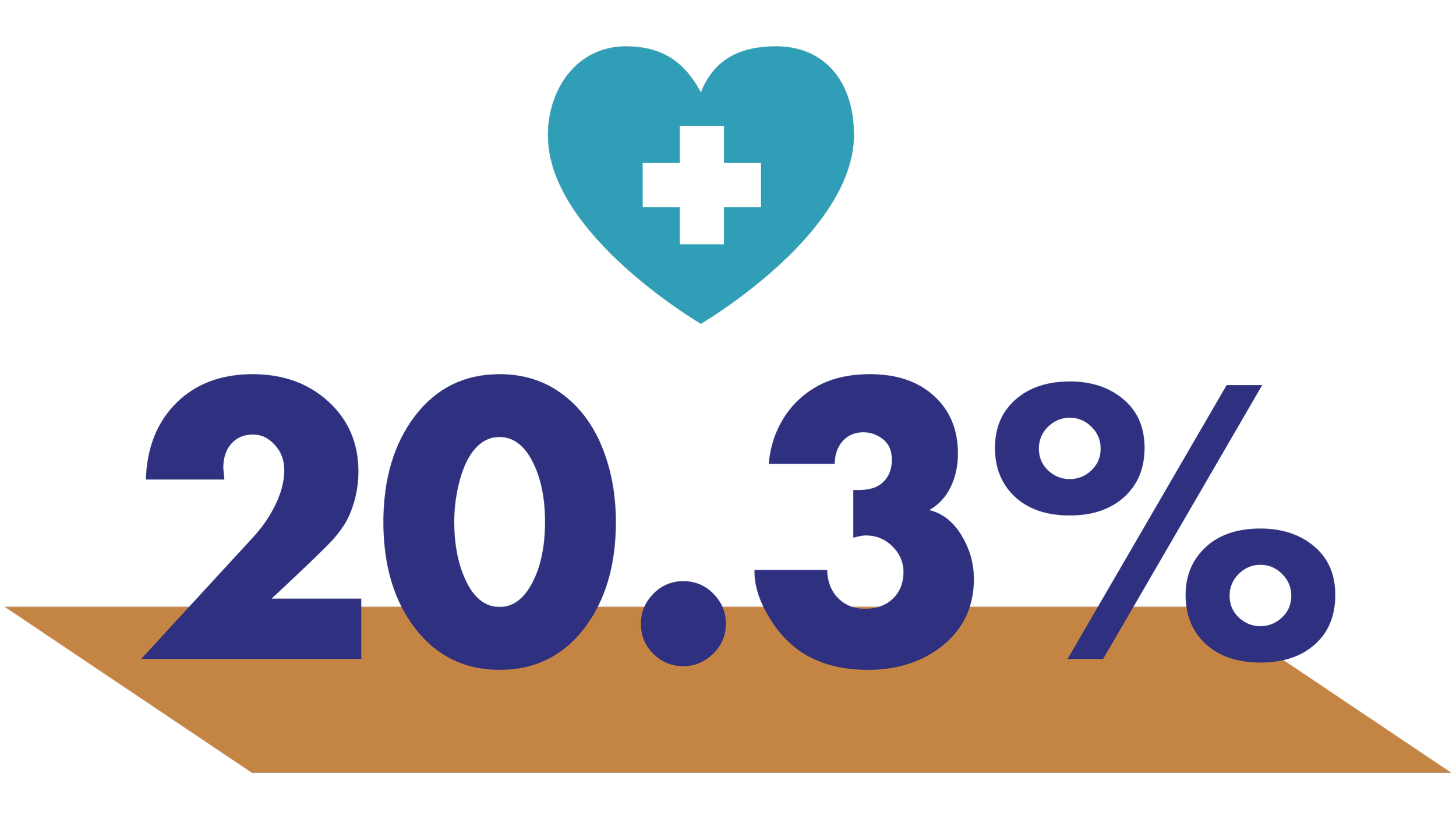
Of Nigerian caregivers report that they have the ability to get their girls vaccinated against HPV.
-
Given the existing high level of motivation for HPV vaccination, there is potential for a robust uptake. To capitalize on this opportunity, organizations can amplify awareness efforts through social media and community engagement, targeting caregivers to inform them about the availability and importance of the HPV vaccine.
-
Collaborate with local healthcare providers to streamline the vaccination process, ensuring easy access and reducing logistical challenges for caregivers such as transportation issues, vaccine availability, or scheduling conflicts.
-
Establish local support groups or helplines to assist caregivers in navigating the vaccination process.
-
Regularly assess the demand for vaccination and adapt strategies to maintain a steady supply of vaccines and resources at vaccination centers.
INSIGHT # 2 INTERVENTIONS
72%
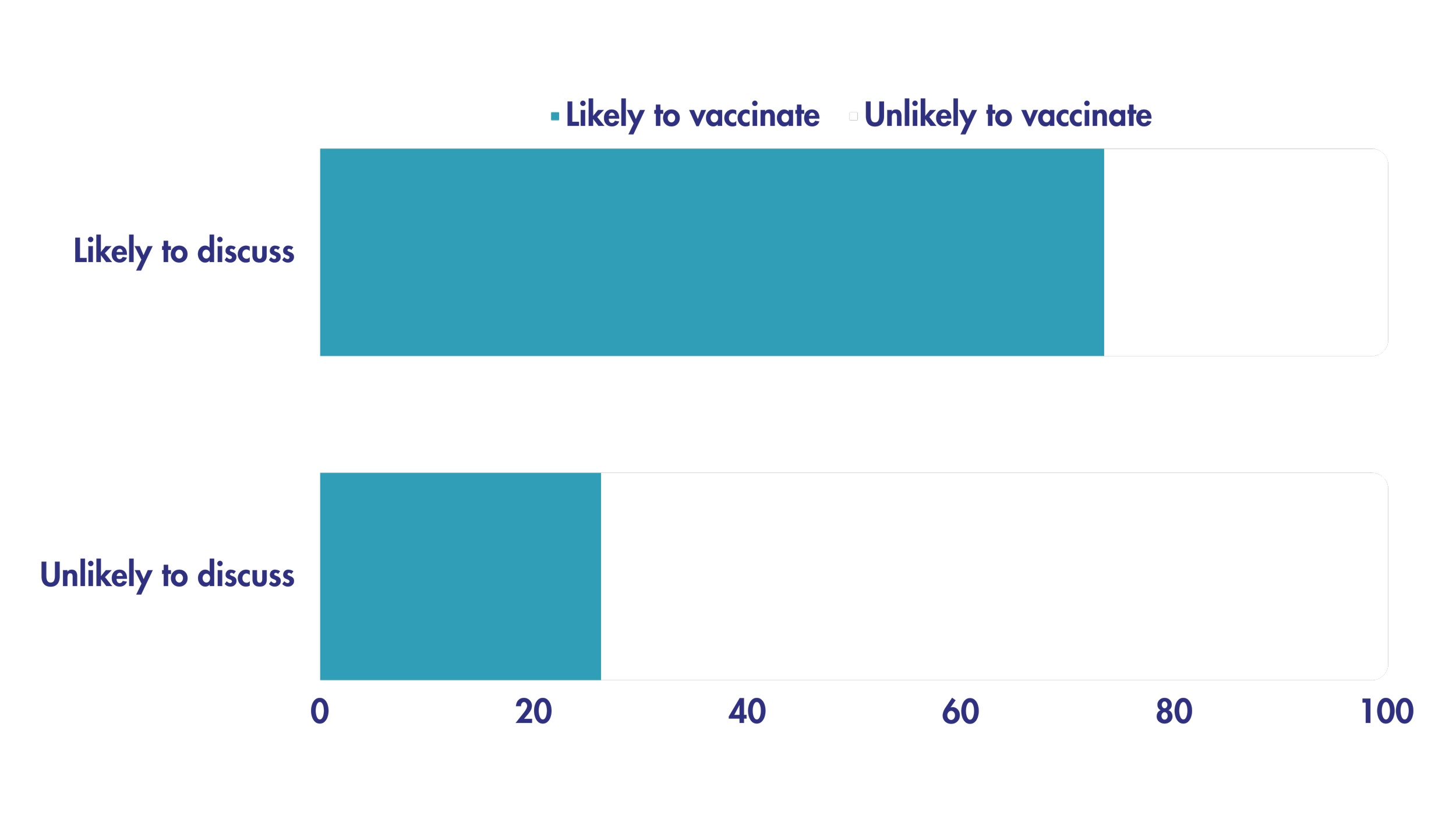
Of respondents reported they were highly likely to talk about vaccination with friends and family.


Respondents who were highly likely to talk about vaccination were 2.8x more likely to vaccinate their female child.
-
Now is a great time to start enlisting respected community influencers. Their role will be to disseminate positive narratives about the HPV vaccine, effectively countering prevalent myths and misconceptions.
-
Begin to use existing social networks, both digital and community-based, to disseminate factual information about the HPV vaccine. Key platforms could include Facebook parenting groups or school parent-teacher associations, focusing on the vaccine's role in cancer prevention.
-
Incorporate structured opportunities for conversations within your HPV communication campaigns. This strategy aims to foster discussions about HPV vaccination within family units and peer groups, enhancing awareness and acceptance.
How likely are you to discuss HPV vaccination with family or friends?
INSIGHT #3 INTERVENTIONS
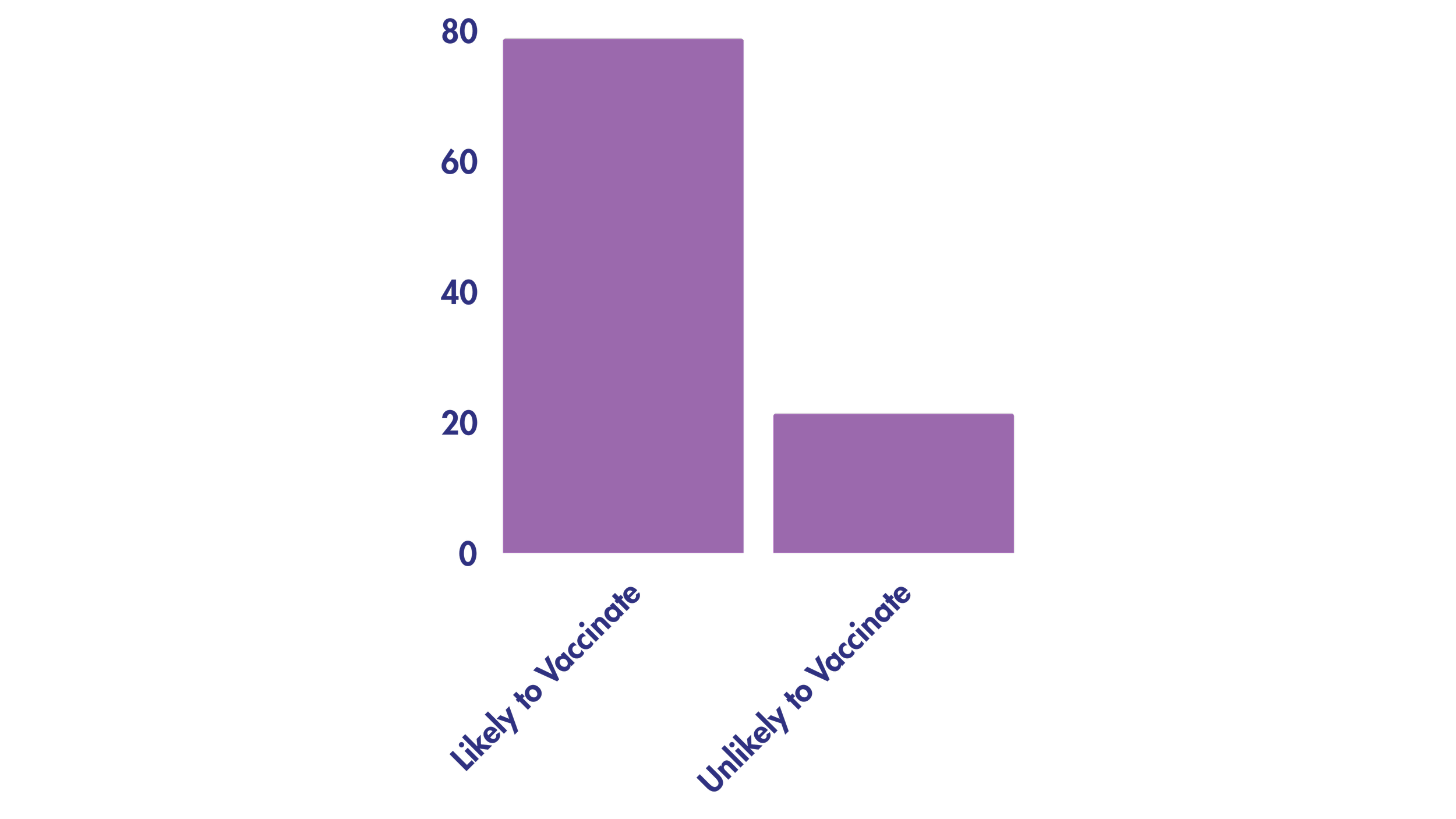
“Most of my family and friends approve of girls getting vaccinated for HPV”

Of respondents say most of their family and friends approve of girls getting vaccinated and strongly agree their female child would get vaccinated for HPV in the next year.
-
Deploy visual cues in healthcare settings and public areas to normalize HPV vaccination. This includes giving out stickers after vaccination and creating attractive photo spaces in clinics for sharing vaccination experiences on social media.
-
Share relatable stories from supportive caregivers across digital and traditional media. By proliferating positive vaccination narratives on platforms like social media and radio, and during community gatherings, we aim to reinforce the perception of HPV vaccination as a widely accepted practice.
-
Collaborate with educational and governmental bodies to embed HPV vaccine information within community and educational programs. This effort is geared towards fostering a deeper understanding and acceptance of the vaccine as a routine part of healthcare.